
I've been building websites and web apps for 7+ years. This summer I finally built my first mobile app. Here are some of my learnings and things I'd have done differently.
A bit of backstory
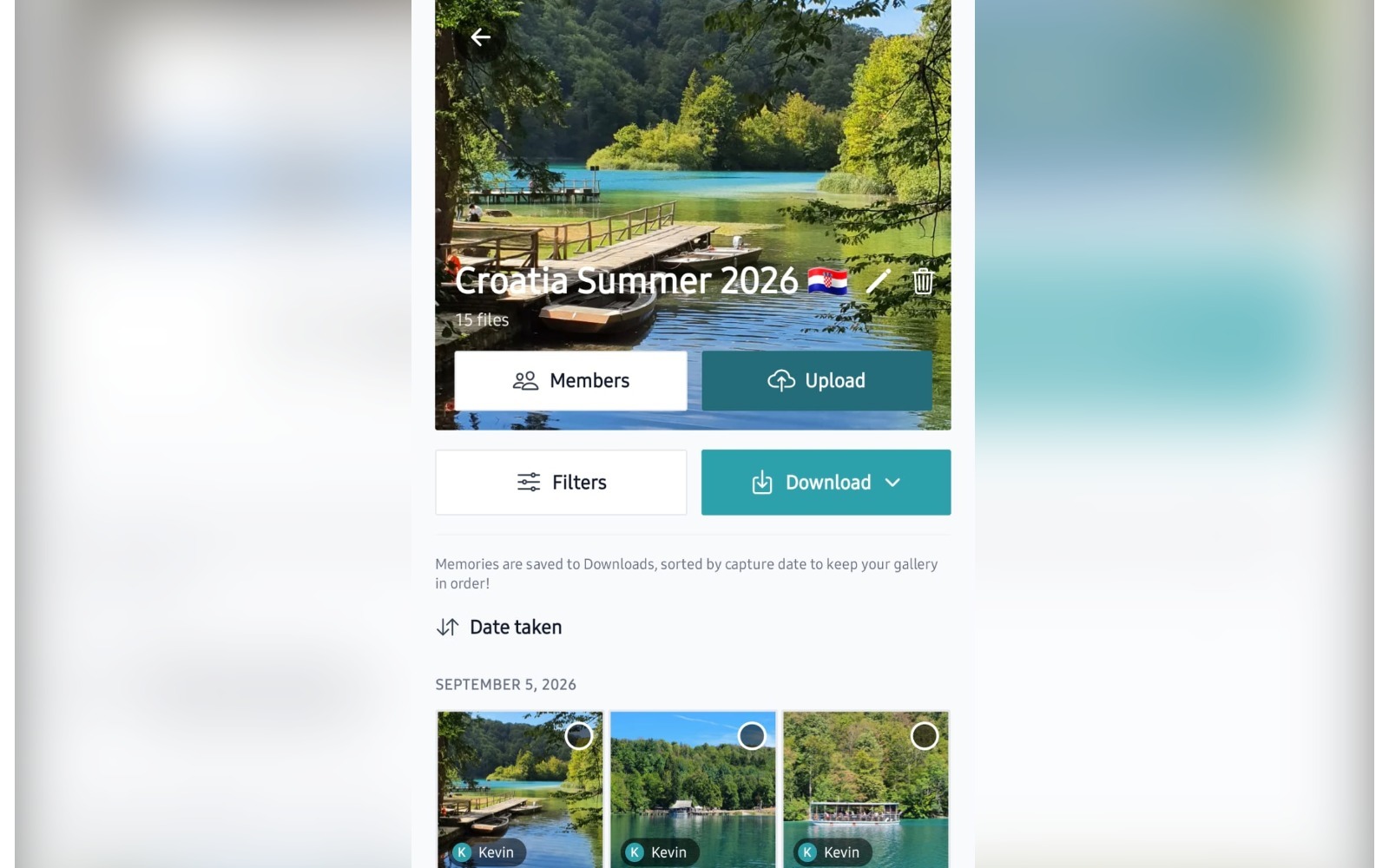
I got tired of sharing group photos after a trip in WhatsApp or some random drive which was messy, compressed some photos, and some people may be left out (e.g. AirDrop does not work on Android...). So in April 2026, I built ShareThePic.app - a web platform to share group photos fast and easy between Android and iOS. Full quality, metadata kept, galleries organised by group, and you can even see who took what and when.
The web version went live in April. During summer, my goal was 100 users. Instead I got 2 subscribers and a bunch of one-off purchases, over 100 EUR in profit. Not retirement money, but real people paying for something I made? That felt amazing! (How I got did the marketing that's a whole other topic for another time ;))
So in August and September, I built the mobile app with React Native and Expo.
Lesson 1: Try it on the web first
If your idea can live on the web, start there. It's cheaper, you can ship fixes in minutes, and there's no app store review holding you hostage.
The real win, though? By the time I touched mobile, I knew exactly what people used and what they'd pay for. I wasn't guessing, I was porting something that already worked.
(Not every idea needs a website, to be fair. Some things are just mobile-first so really depends on your idea/project.)
Lesson 2: Planning is everything
Honestly, this is the big one. Good planning saves you hours, days, even weeks of refactoring.
Before writing a single line of code, I made a mini PRD for every screen (groups, gallery, account...). Each one had:
Screenshots of the web version
The tech stack from the web app
A user journey flow
Test use cases
A components table
The data schema
Felt slow and tedious at first. But it's the fastest part of the whole project.
What I'd do more of next time:
Test cases. Mobile means two operating systems, tons of devices, denied permissions, apps getting backgrounded, and terrible signal right when someone's uploading 50 beach photos. I only really covered the happy paths. Big mistake!
Payments. This one caught me off guard. Apple and Google have their own rules and billing for digital purchases. Sadly Stripe doesn't work well for it. It's basically its own mini project, so plan for it. I ended up implementing RevenueCat.
Lesson 3: Figure out how people will find you (and come back)
Getting into the app store doesn't mean anyone will download you. Ask yourself two things early: how will people find it, and why will they stick around?
For ShareThePic, the product kind of markets itself. One person creates a group for a trip and invites everyone who was there. If the experience is smooth, they use it again next trip, and maybe start their own groups too.
Bonus: Write stuff down
I like to keep things organised, but it was only unitl I developed proper documentation that I spotted gaps I completely missed. Screens with no empty state, flows with no way back, data the mobile plan forgot about. Writing makes you be specific, and that's how you catch this stuff early.
TL;DR
Test on the web first (if it makes sense)
Plan every screen before you code, and don't skimp on test cases and payments (superimportant!)
Know how you'll attract and keep users
Code turned out to be the easy part. The thinking before it is what makes or breaks things.
Got a trip coming up? Give ShareThePic a go and let me know what you think! App coming soon after I'm done with testing ;)